
Color Game – Rounds, Payouts & Play Guide
Color Game is a fast colour-matching table title: three dice roll inside a light-up board, you back one of six coloured panels, and matching colours pay per die. The guide below keeps the analysis measured—odds first, habits second, excitement last.
Straight answer: the Color Game suits short, budget-capped sessions because each round resolves in seconds and the payout ladder is easy to read. On the tong its go Color Game board the six-panel layout is visible at a glance, so decisions stay simple even at speed.
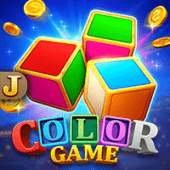
Slot picks that sit beside Color Game
Slot rowBoxing King keeps its dedicated information page; the other three entries open through the lobby. Color Game sits in the slot row between Coin Lamp and Crazy777, with Dragon Ball rounding out the neighbouring shelf.




How a Color Game round works, step by step
The Color Game sequence is short: stake, roll, match, settle—four steps that repeat every few seconds, which is why the budget matters more than any single roll.
- Pick a panel — Back one or more of the six coloured panels inside the stake window.
- Set the stake — Choose a chip size you can repeat forty times or more without strain.
- Watch the roll — Three dice tumble inside the lit board; matching dice light your panel.
- Read the payout — In Color Game one match pays 1:1, two pay 2:1, three pay 3:1 in the standard ladder—confirm the posted table before staking, since house rules vary.
The rhythm is the same on the tong its go Color Game board as anywhere else, so practice transfers. New players should start in the Color Game Demo before staking, then compare a slot such as Super Ace Deluxe to feel how reel pacing differs from dice pacing. Keep the rest of tong its go local games in mind too—the catalogue mixes local favourites with international titles, and pacing is the main difference between them.
Is the Color Game a good pick for quick sessions?
Yes—for short, pre-capped sessions the Color Game is one of the clearest titles on the shelf: the round is seconds long, the payout ladder is public, and the decision space is a single panel choice. It is a poor fit if you want slow, skill-weighted play, because dice leave no room for strategy.
Two conditions decide whether the Color Game fit holds. First, time: cap the session before you start, since the game's speed makes loss limits easy to overshoot. Second, terms: any boost you plan to use must be read in advance—if a plan involves the Tong Its Go Bonus page, check whether dice titles are eligible before counting on credit. Before the first session, the Color Game Demo answers most pacing questions for free, and a quick tong its go legit check—licence, terms, support channels—answers the rest.
What the Color Game looks and feels like on a phone
The board is the design of the Color Game: a bright crown-topped light rig with six colour panels, gold trim and dice that glow on the winning colour—built to be read from arm's length.
- Visual theme — Carnival lighting, strong contrast and colour-first icons; the winning panel is unmistakable even in sunlight.
- Core rhythm — Color Game rounds run stake, tumble, settle, repeat. Rounds are shorter than reels and longer than a coin flip.
- Mobile feel — One-hand layout, large panels and a stake bar within thumb reach; tong its go local games follow the same phone-first pattern.
Sound and light give the Color Game board a carnival mood that can push pace; treat it as decoration, not information. The tong its go Color Game readout also keeps everything on one screen, so nothing hides behind menus. The board gives the Color Game Demo a clear purpose: with no money attached, you learn how fast the stake window closes. And before real stakes, the usual tong its go legit checks apply—verify the domain, read the terms, confirm support exists.
Which Color Game session style fits your budget?
Match the Color Game session shape to the budget: a thin bank wants few panels and a hard stop, while a larger bank can spread stakes across two panels per round.
- Thin budget (20–40 stakes) — Back a single panel, stop on either limit, and skip streak-chasing entirely.
- Medium budget (60–100 stakes) — Split stakes across two panels, halve the stake after any losing stretch of five.
- Social pace — Play during peak hours only if the table noise does not rush your window; the roll is fast but your decision need not be.
- Slow alternatives — If dice feel too quick, Oceania Vip Blackjack runs round-based decisions instead, and the tong its go local games catalogue pages list pacing notes for every shelf.
Whichever shape you choose on the tong its go Color Game board, the same three checks repeat: a session timer, a written loss limit, and a tong its go legit verification done once at the start. The Color Game Demo is the cheapest way to test a session shape before real stakes. Treat any promise of guaranteed colour results as noise—the Color Game board has no memory and no pattern pays.